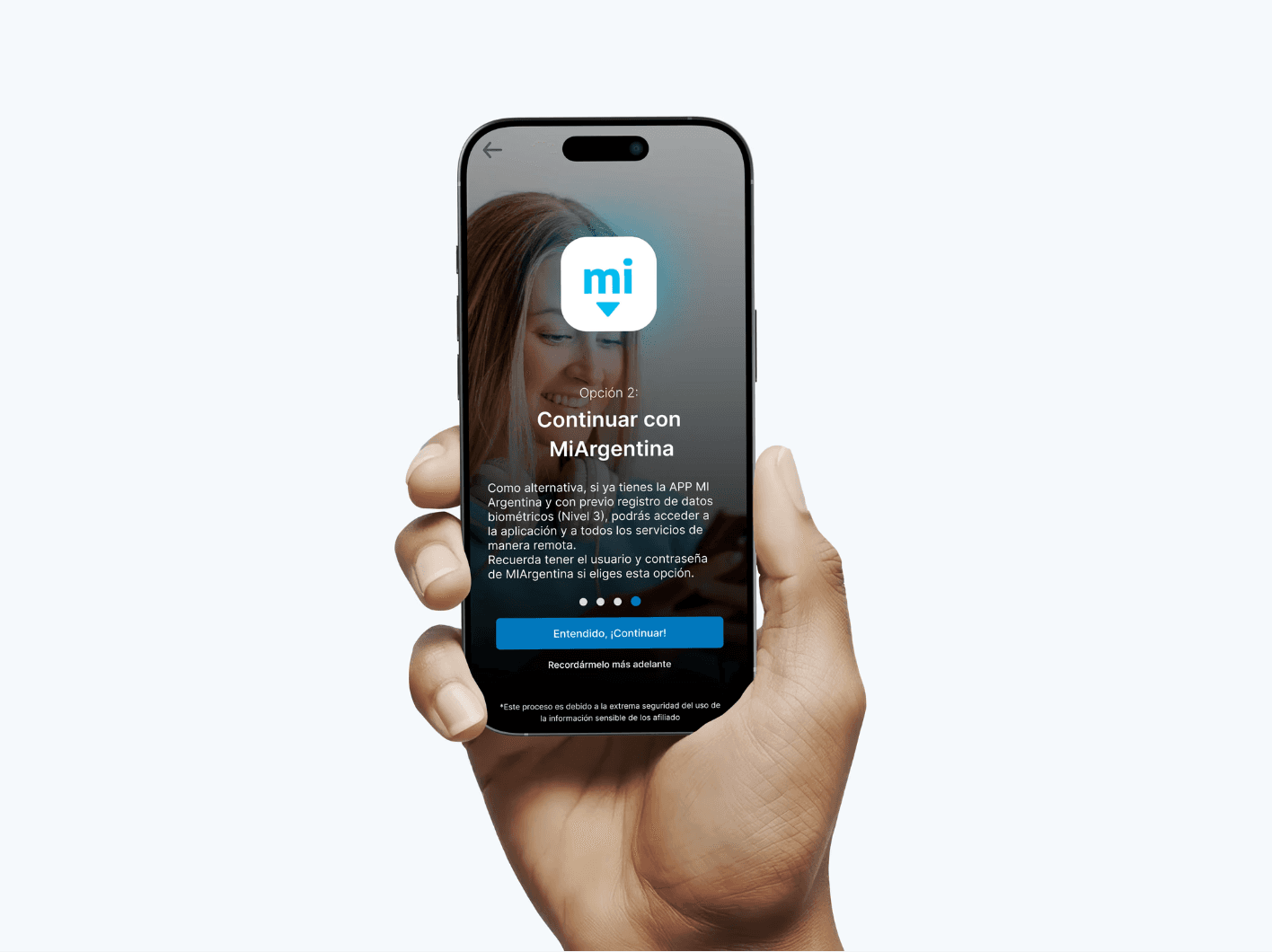

Shipped
Patient App
Project Context
Design and launch of a new feature enabling online voucher purchases, complementing an existing in-person process.This was the client’s second attempt, following an unsuccessful previous implementation.
Client
Tekhne SA - IAPOS
Timeline
3 weeks
Role
Product Designer
Year
2024
Outcomes
✓ +163% registered users (80k → 237k)
✓ 68,000 vouchers sold in the first month
✓ Strong early adoption validated product demand
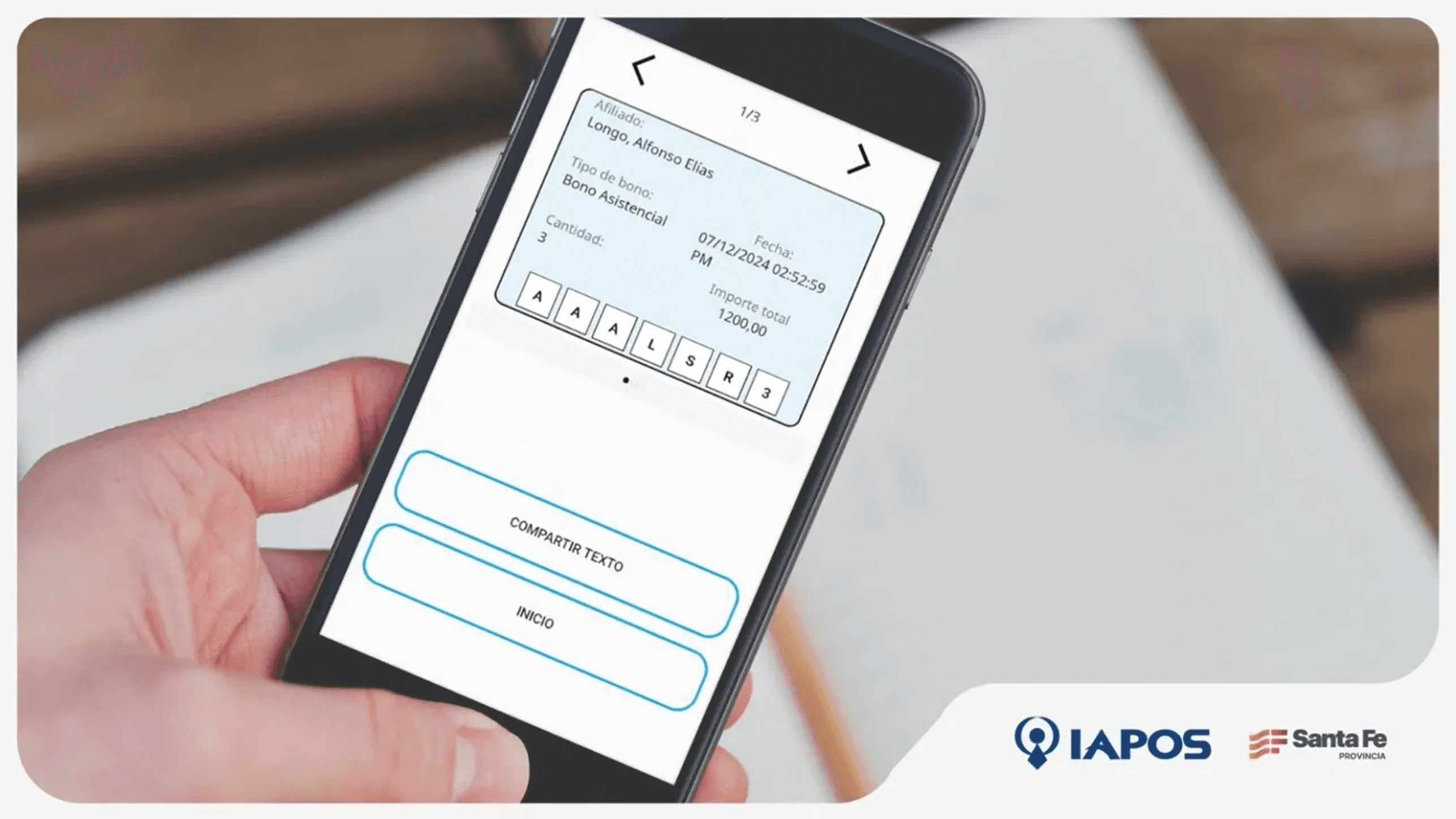
How i did it
Problem
Voucher purchases were handled through a fully physical, in-person process.
Users had to visit physical locations and buy vouchers each time they needed medical care.
This made the process time-consuming and inconvenient, especially for recurring visits.
Physical vouchers were easy to lose and hard to manage, adding friction to an already sensitive moment for users.
From a business perspective:
Voucher sales were not scalable.
The company had limited visibility and control over purchases.
A key revenue flow existed outside the digital product.
From a design and product point of view:
Users needed a fast, intuitive way to purchase vouchers online despite:
- multiple voucher types
- variable quantities
- purchases on behalf of dependents
The solution had to be lightweight, simple, and deployable quickly.
Opportunity
Replace a physical, in-person process with a faster digital alternative.
Bring voucher purchases into the product, reducing friction and time to access care.
Enable scalability and ownership of a key revenue touchpoint.
Research
While direct user interviews were not conducted due to launch deadlines, the design leveraged observed patterns, business requirements, and complexity analysis to inform decisions. Focus was on delivering a clear, lightweight, and reliable experience within technical constraints.
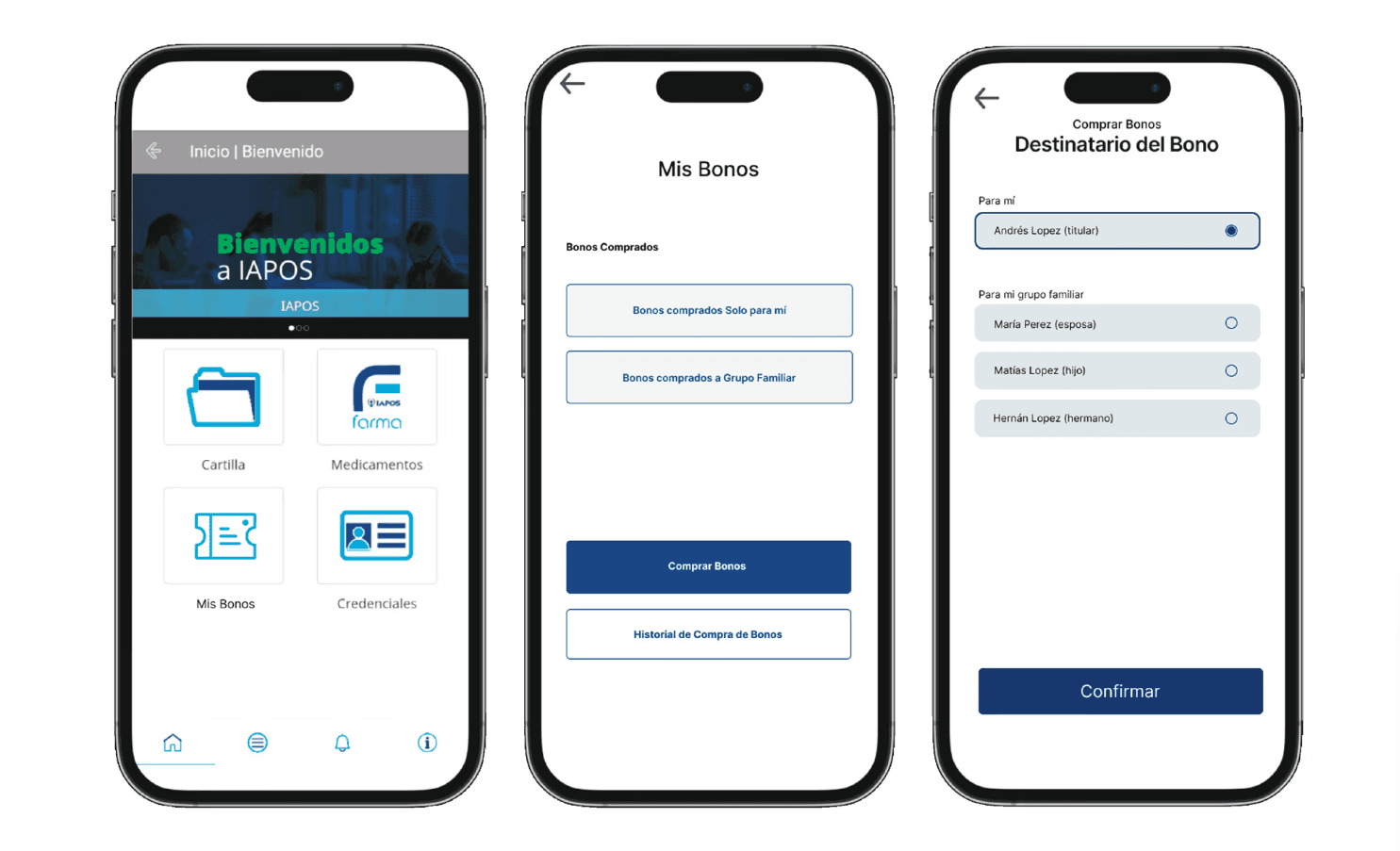
Purchasing vouchers is not trivial: multiple voucher types, varying quantities, and differences between account holder and recipient (e.g., family members) introduced complexity.
Simplicity was critical:
Launch deadlines and technical constraints required a lightweight, clear, and high-performance flow.
Design prioritized essential functions only, limiting complex interactions.
Voucher differentiation:
Three different voucher types, each with distinct pricing and purposes.
Clear visual and textual distinction was necessary to avoid confusion during selection.
Multi-user support:
Users could purchase vouchers for themselves or dependents.
Required thoughtful handling of user selection, purchase tracking, and receipt attribution.
Key Challenges
Constraints: Limited infrastructure, tight deadlines
Information scarcity: Minimal meetings to define complex functionality details
Approach and Key Decisions
Research & Analysis
Held intensive stakeholder meetings focused on bond acquisition types, while auditing public entity portals to gather and cross-reference all necessary regulatory information.
UX & Information Architecture
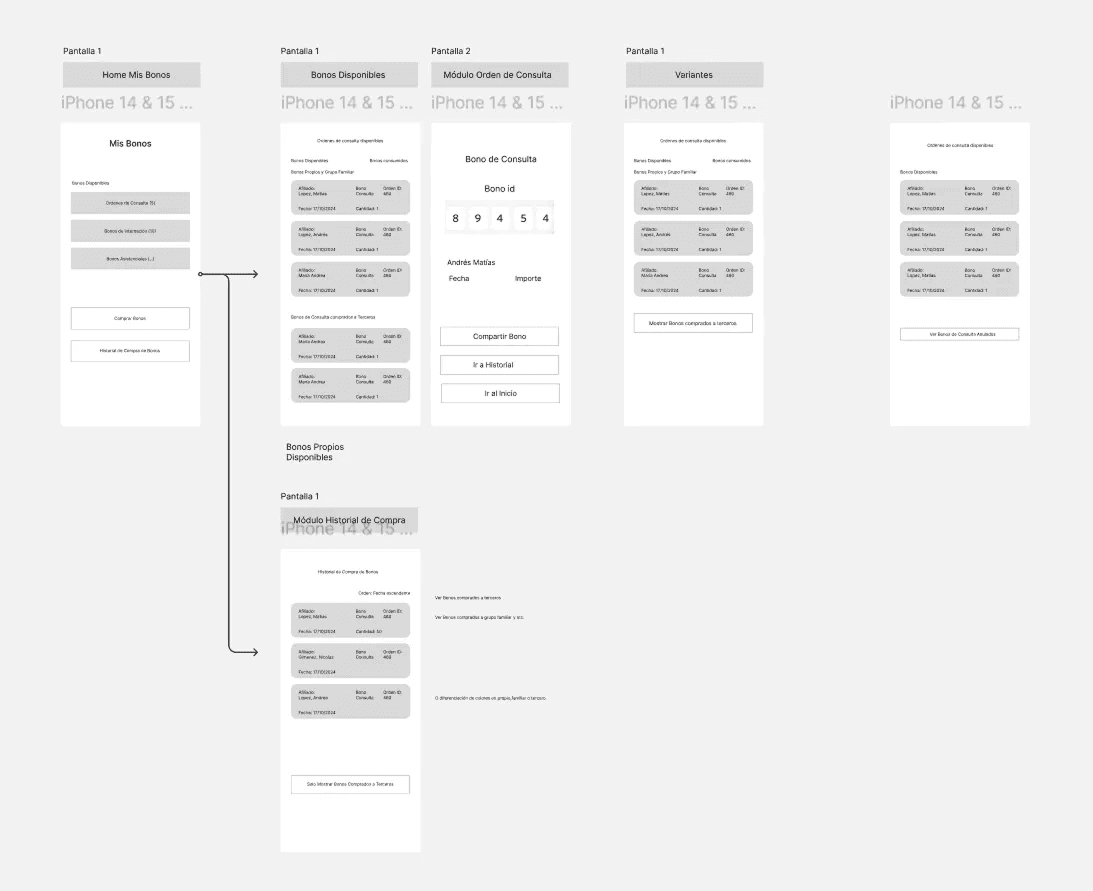
Iterated through multiple diagrams to define family vs. individual bond views. Designed distinct flows for purchase history and multi-purchase features to reduce user friction.
UI & Visual Design
Balanced visual aesthetics with GeneXus technical constraints and tight deadlines. Optimized core components like buttons and color palettes to ensure a fast, functional implementation.
Product Collaboration
Collaborated with the Project Lead and the client to iterate on key details and align expectations. Conducted final reviews to ensure a seamless handoff before independent development began.
Designing for speed and clarity
Given constraints, I focused on:
essential functionality
minimal flows
performance-friendly UI decisions
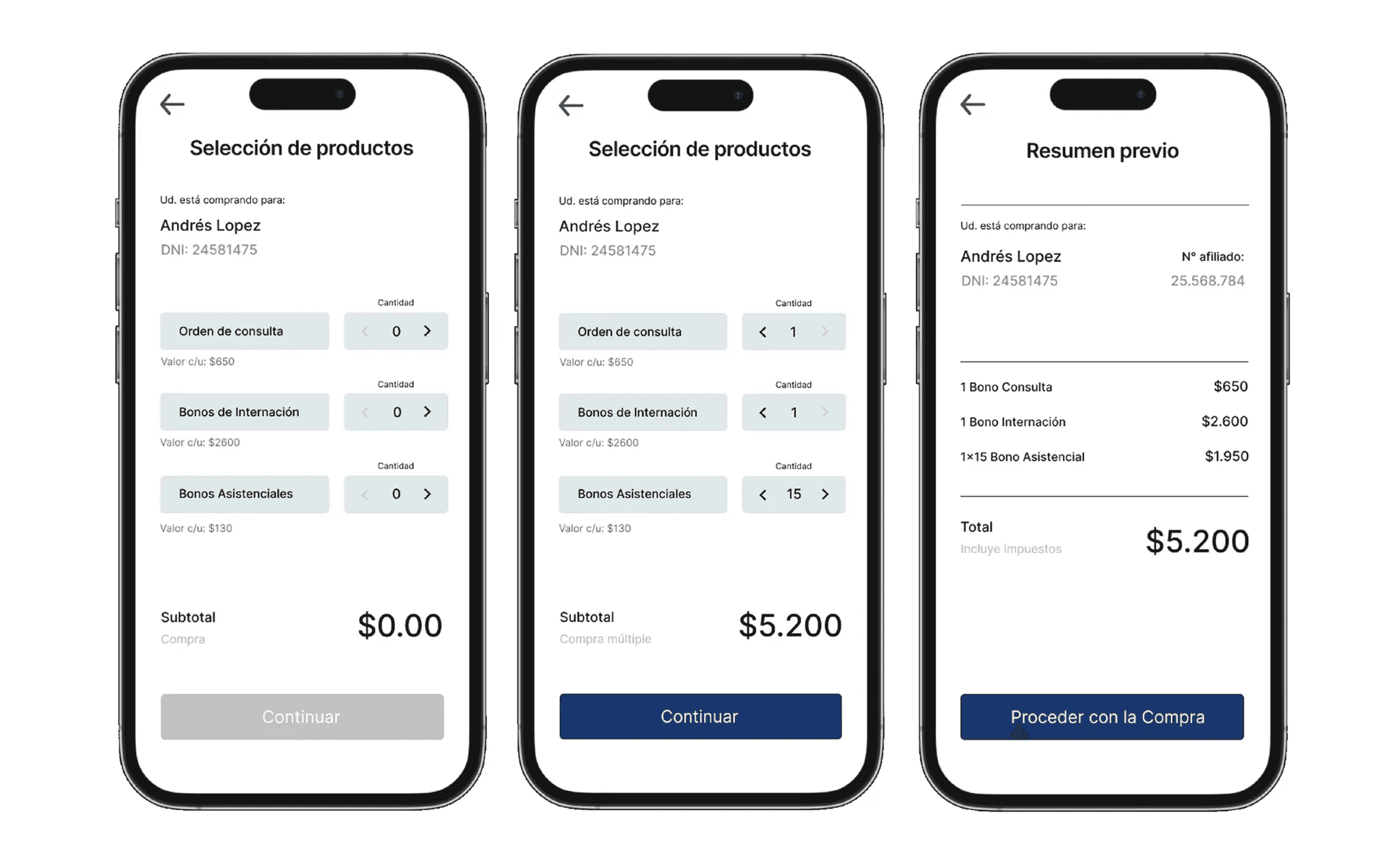
Supporting real purchase behavior
Initial designs assumed single voucher selection.
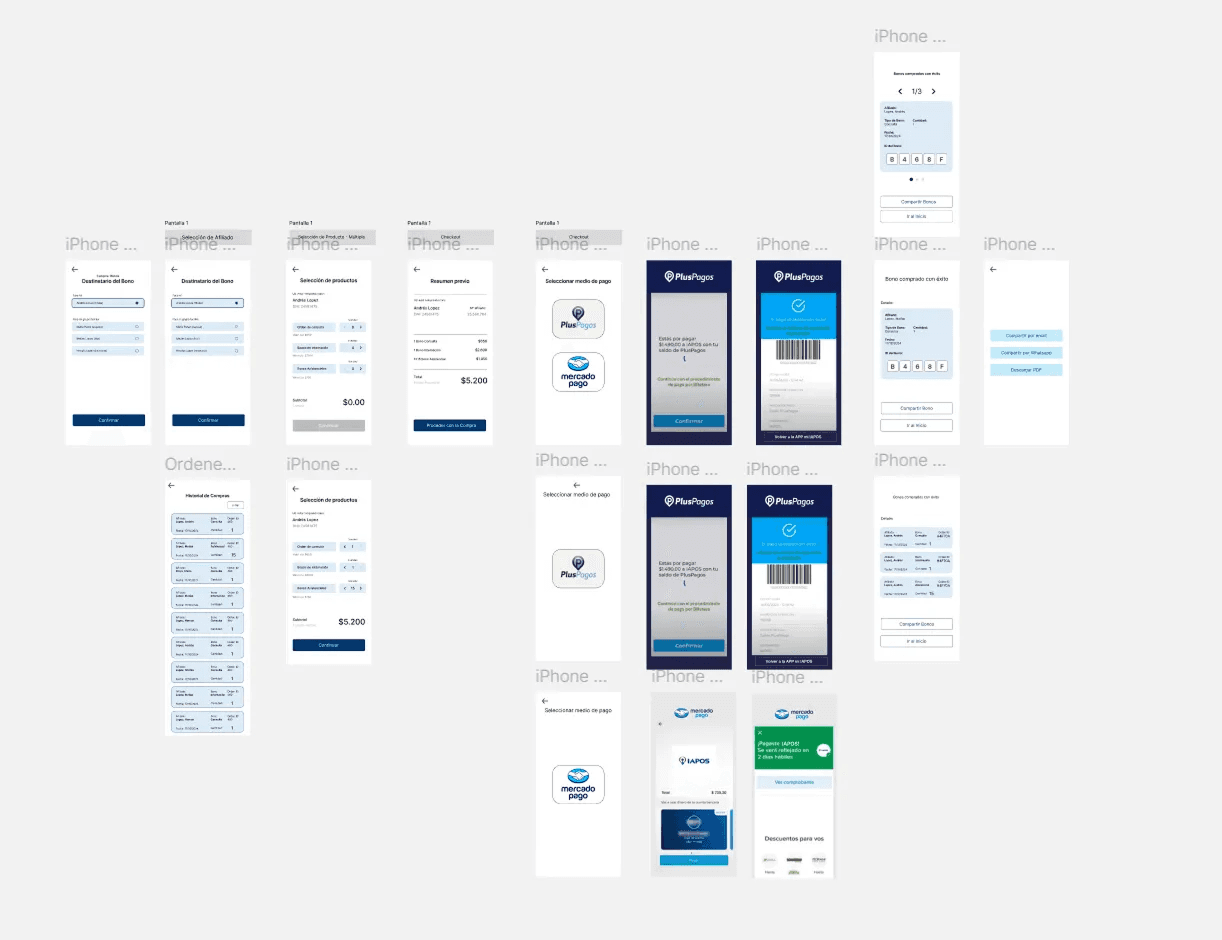
After feedback, I redesigned the flow to support:
multi-selection of voucher types
quantity adjustments
real-time subtotals
Flexibility during development
Ongoing collaboration with engineering allowed me to adapt designs while preserving core product value under technical constraints.
Learnings
Simplicity often emerges through iteration, not initial ideas
Tight deadlines require decisiveness and focus on core value
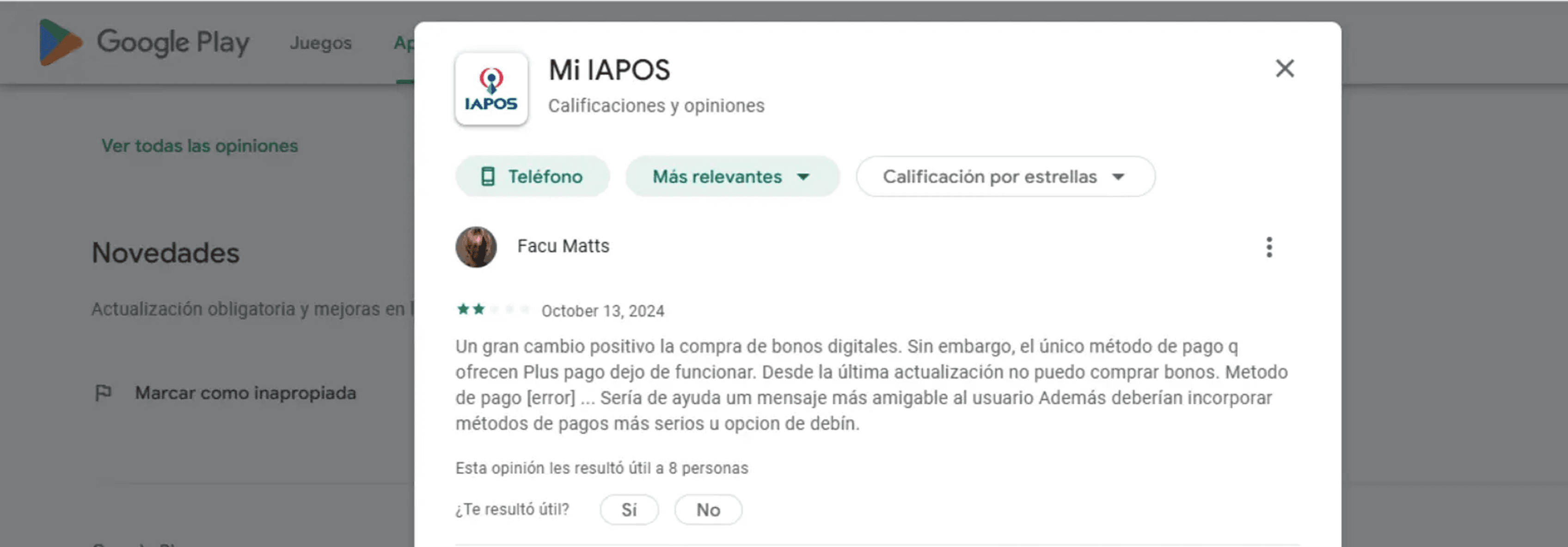
Despite some initial technical issues with the payment method that led to negative reviews, users found the feature to be a significant and positive improvement
Opportunities for
Improvement
Stronger error states and microinteractions
More robust user testing and success metrics
Better alignment between digital product and service-side adoption
Media:
Official Launch Event
A walkthrough of the official presentation held by the client, highlighting the app's core value proposition and market impact
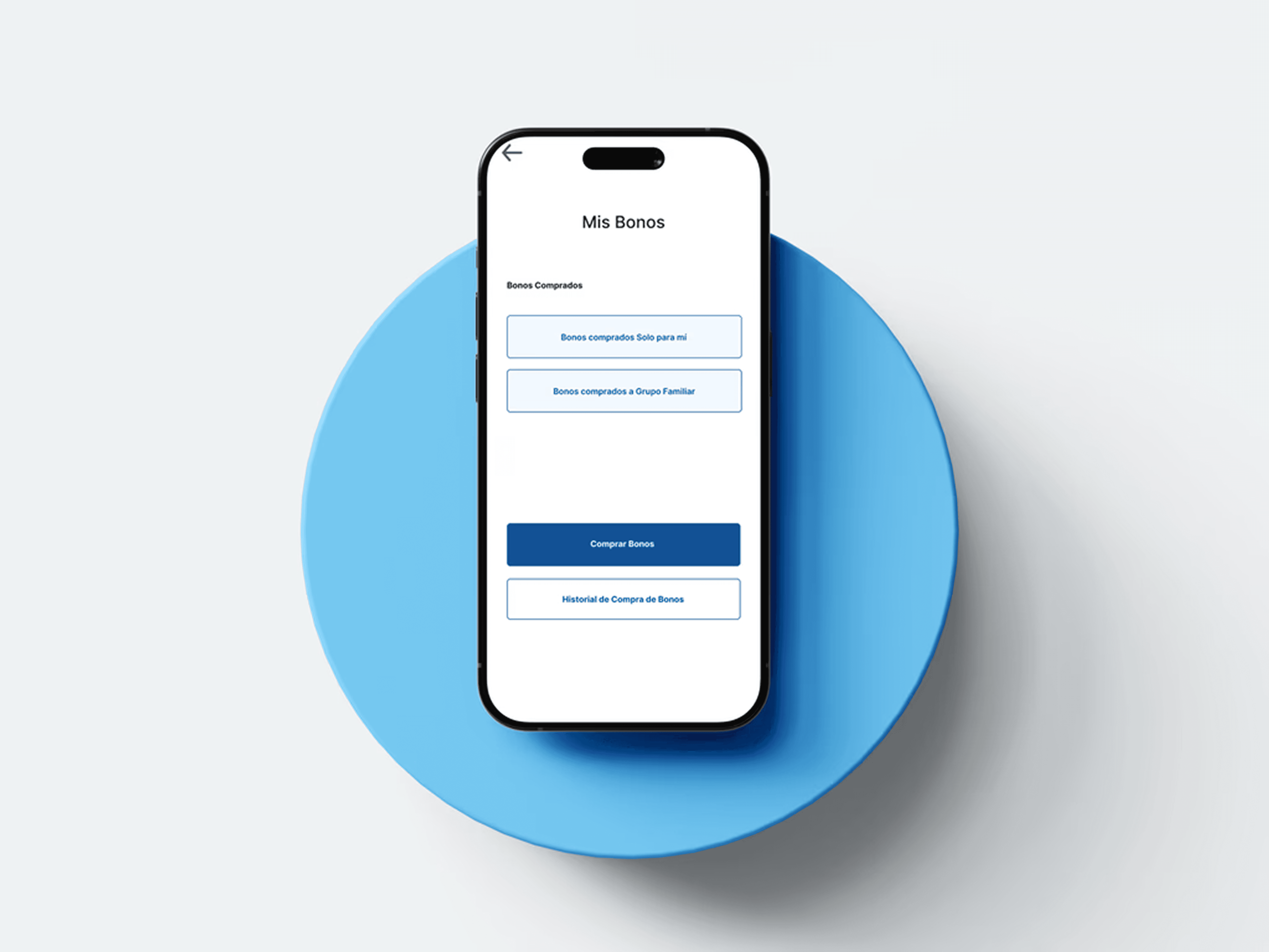
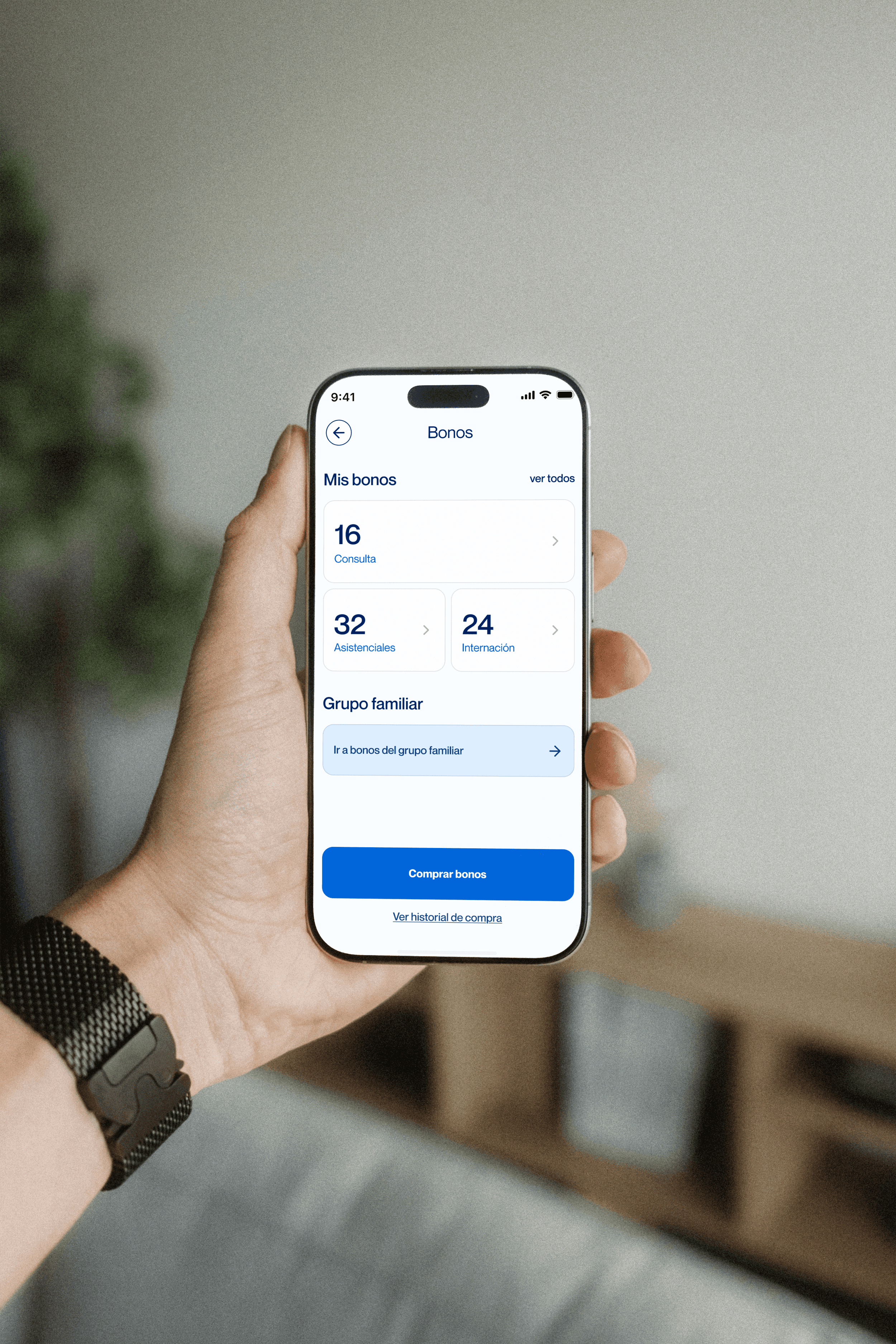
UI Iteration — 2025 Update
As a quick personal challenge, I revisited this project to improve the UI quality and visual clarity based on my current design skills.
The challenge
Redesign a key screen in 2 days, focusing on hierarchy, spacing, typography, and overall polish — without changing the underlying functionality.
What I focused on
Improving visual hierarchy and content scannability
Refining spacing, alignment, and typographic scale
Creating a more cohesive and modern visual language
Outcome
A cleaner, more confident interface that feels more aligned with current product standards and better supports usability through visual clarity.
More
Next Project