Key Challenges
Three different types of debt, each with distinct refinancing rules
- Users expected to both refinance and fully settle debts
- Expired receipts were critical for clarity and compliance
- Tight delivery timeline across multiple parallel projects
Approach and Key Decisions
Research & Analysis
Conducted stakeholder meetings and analyzed internal documentation to master complex financial terminology and debt types. I also performed a benchmark analysis of existing payment portals to identify best practices for debt refinancing flows.
UX & Information Architecture
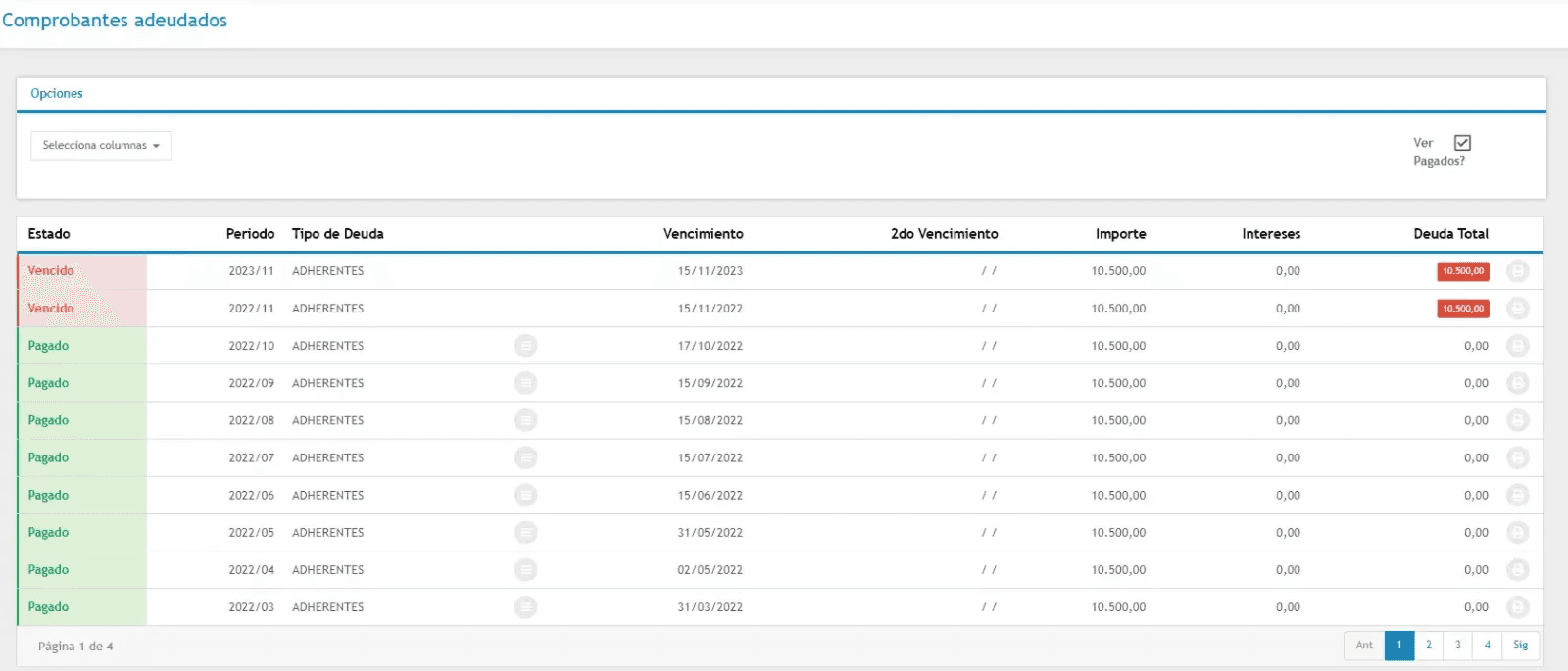
Evaluated multiple refinancing models and dashboard layouts to simplify decision-making, prioritizing clear data visualization for debt status and payment options
UI & Visual Design
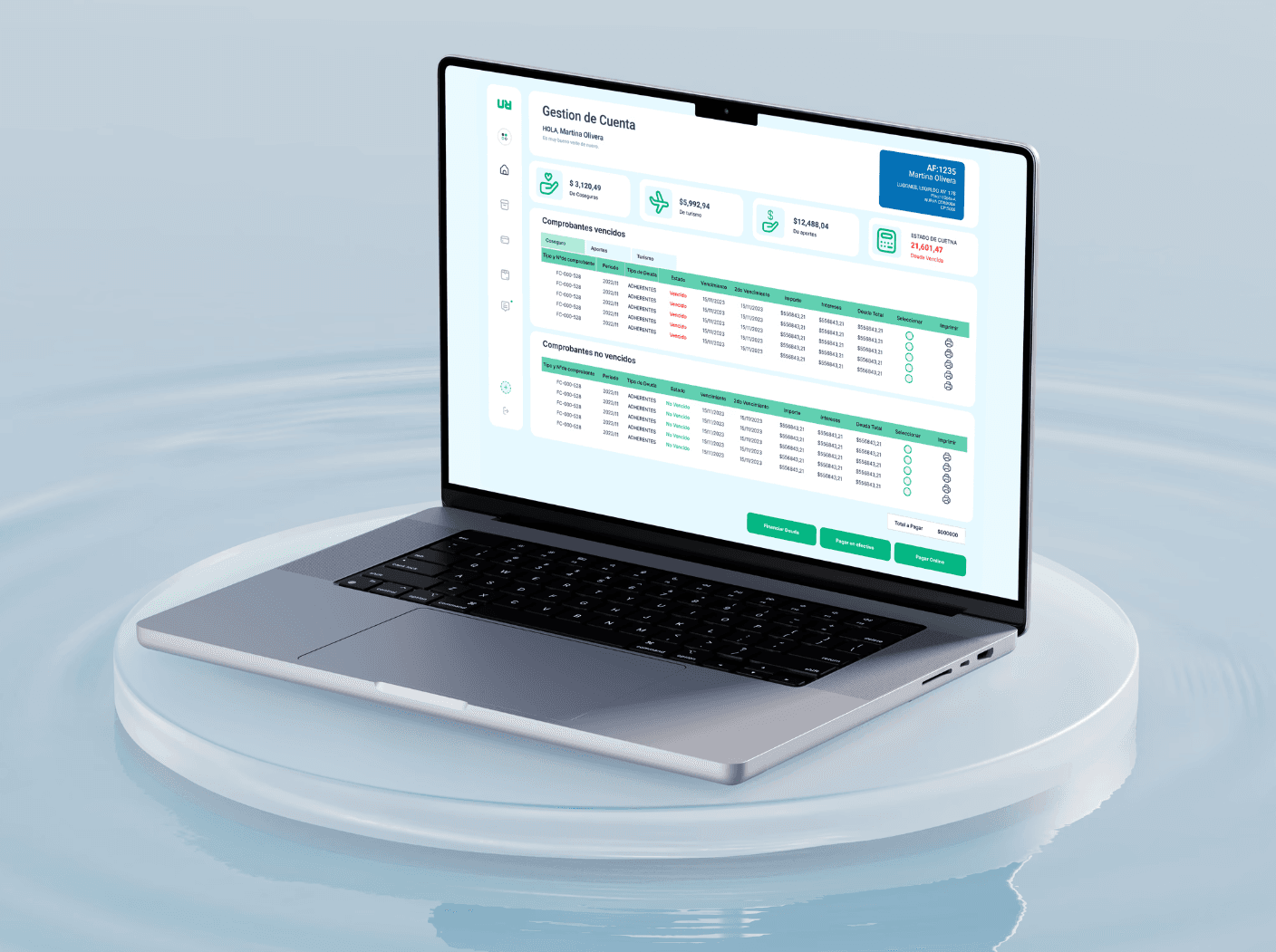
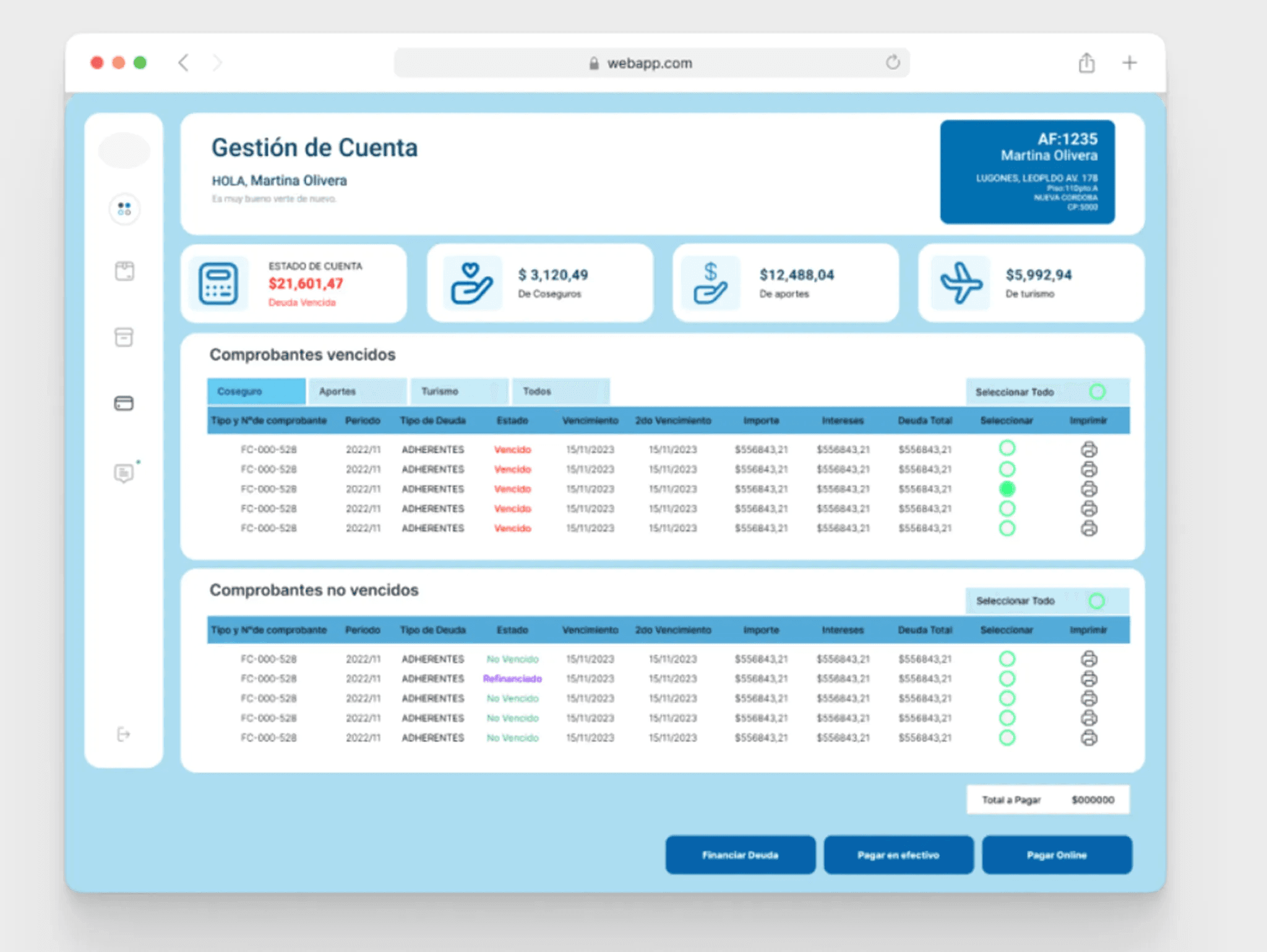
Focused on a functional layout with optimized tables to manage complex data within technical constraints.
Product Collaboration
Collaborated through iterative meetings with the Project Lead to validate key decisions and ensure design alignment with core business requirements.
1. Breaking complexity early
1. Breaking complexity early
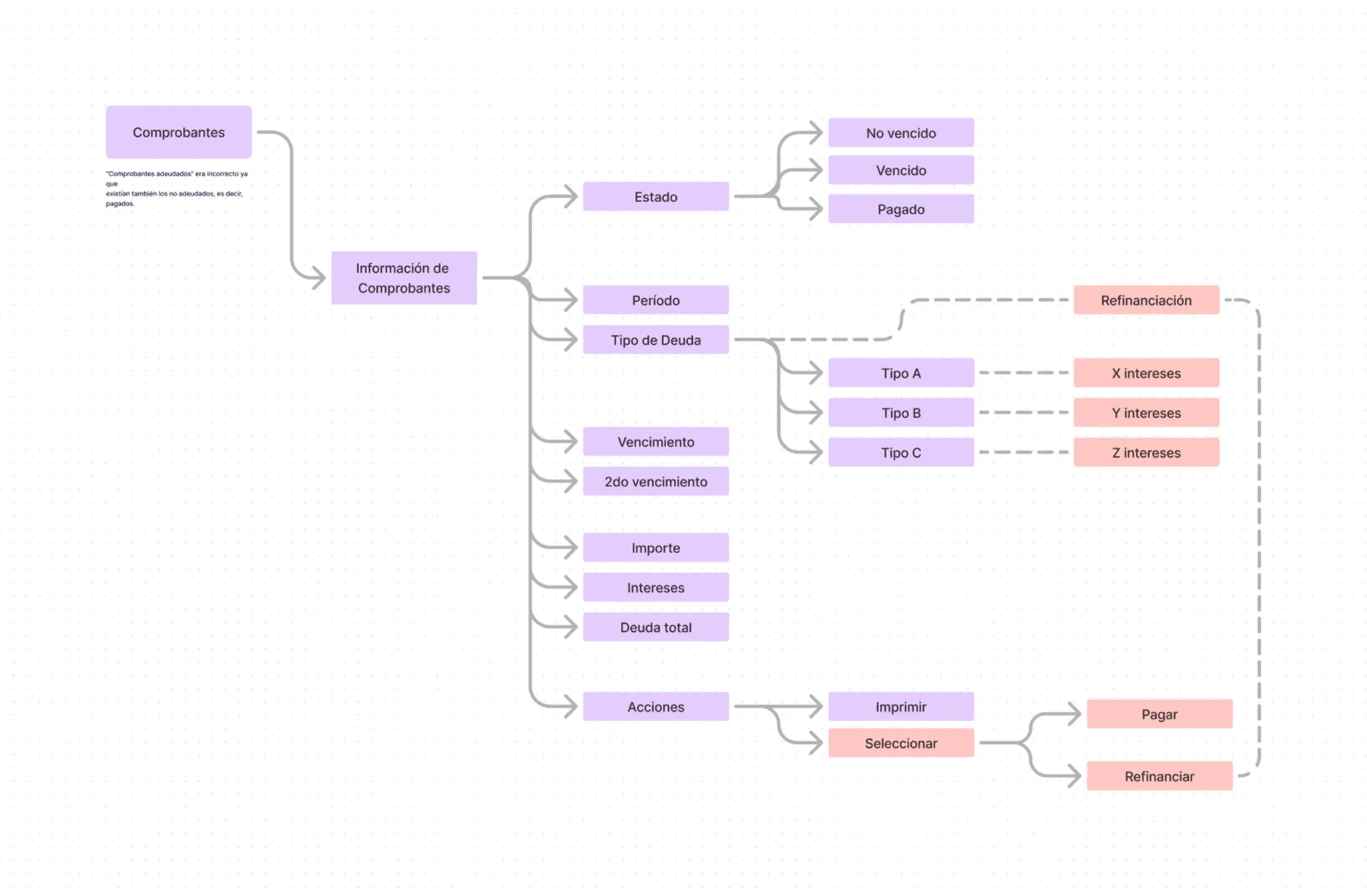
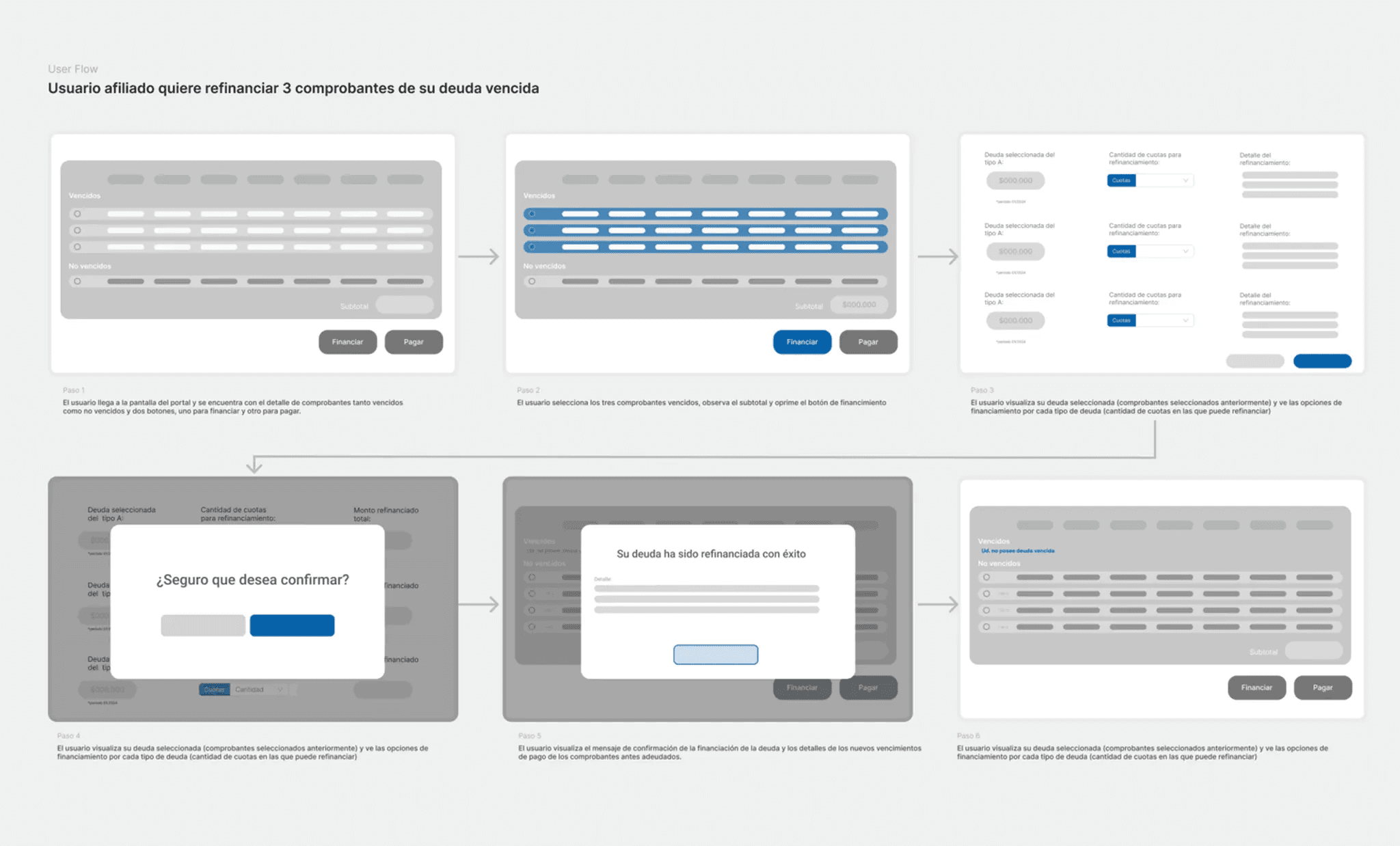
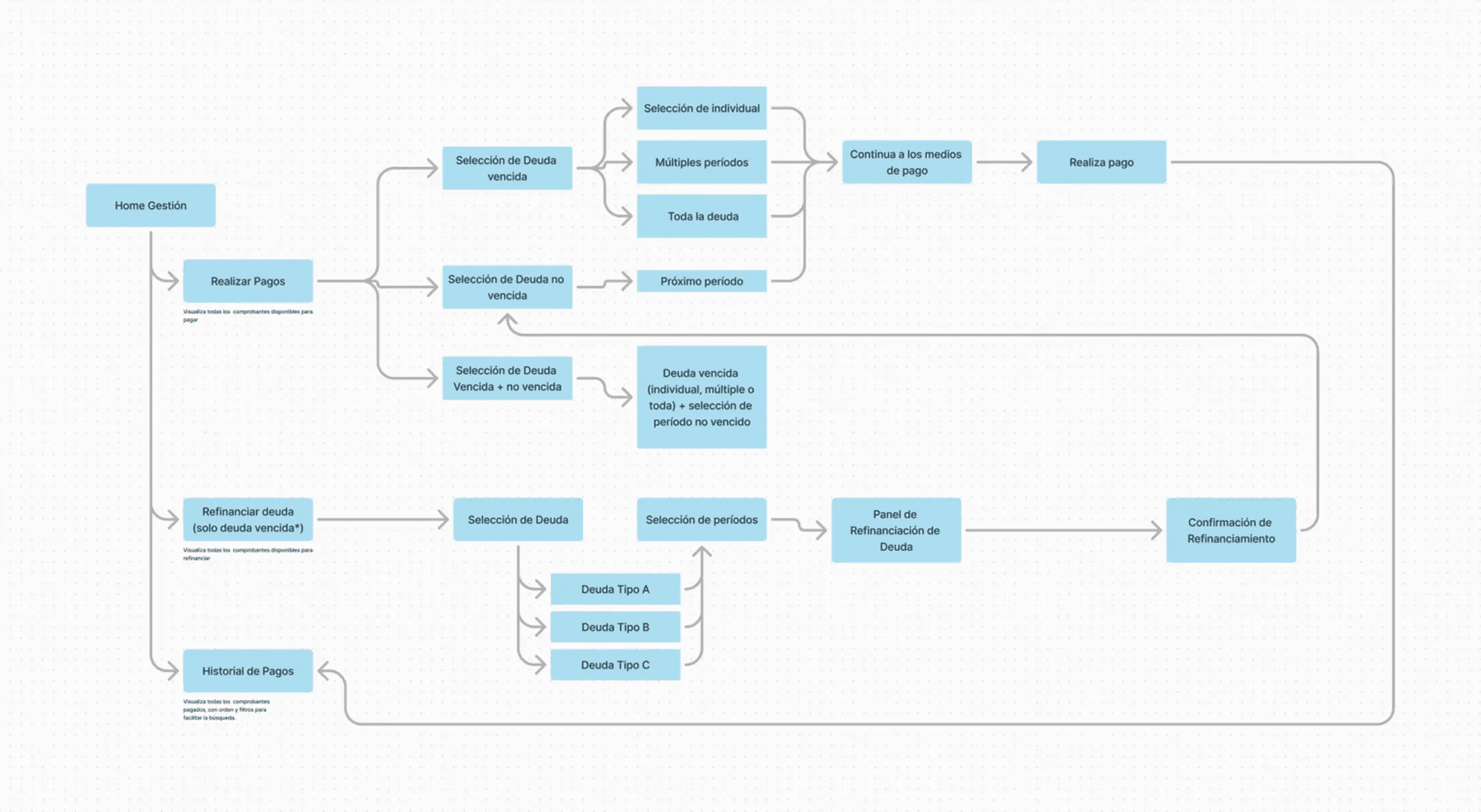
Mapped the existing and future-state systems through flows and diagrams to expose complexity before jumping into UI
Simplifying refinancing logic
Refinancing multiple debt types simultaneously proved overly complex for both UX and backend logic.
After cross-team discussions, we:
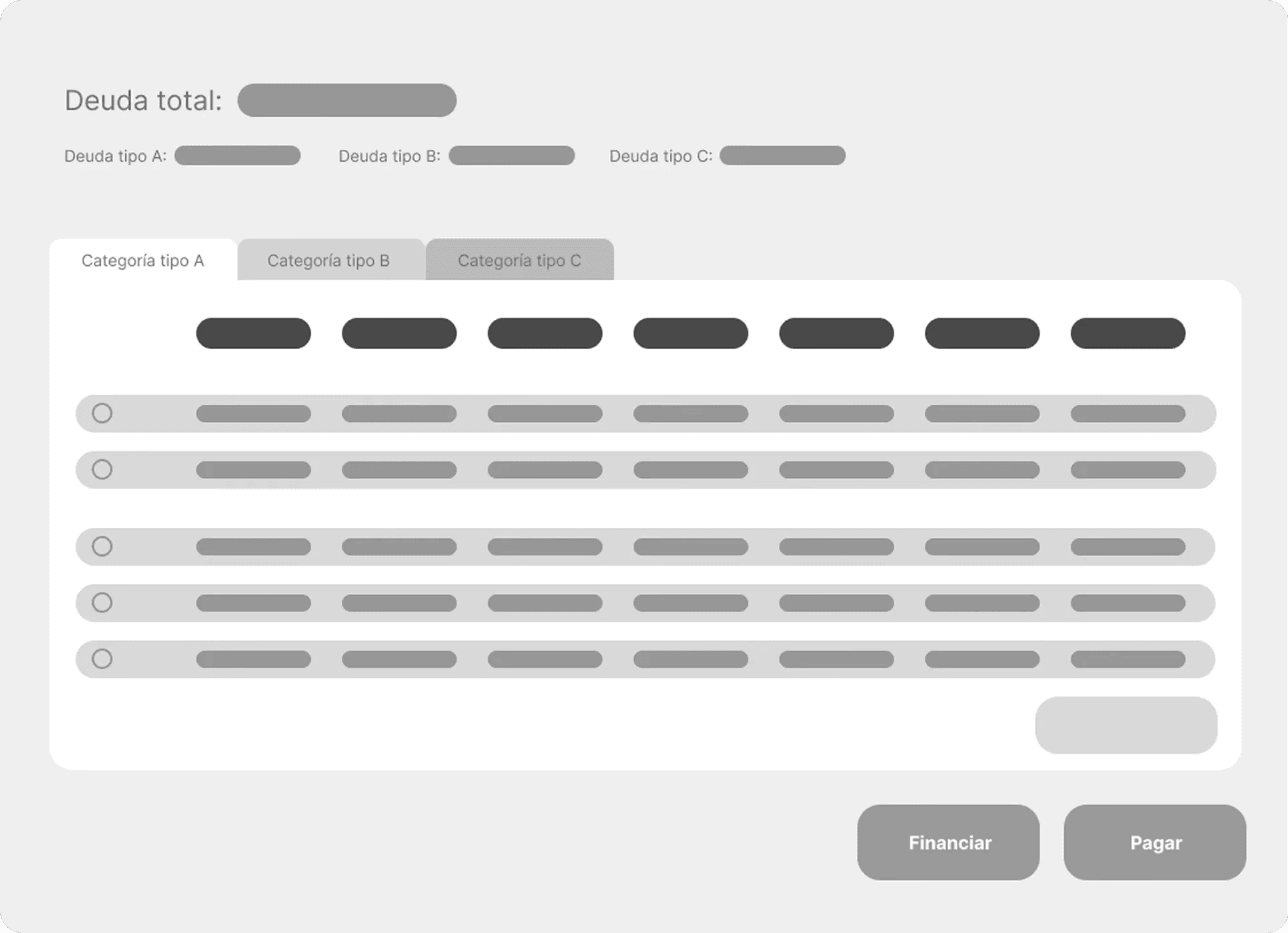
limited refinancing to one debt type per flow
introduced tab navigation for debt categories
This significantly reduced confusion without compromising core user needs.
Designing for clarity over completeness
I prioritized:
clear debt breakdowns
explicit refinancing options
direct access to full payment for users who wanted closure
Learnings
Breaking complex systems into focused user flows improves both UX and team alignment
Reducing scope strategically can unlock clarity and speed
Opportunities for Improvement
Broader user testing with real members
Earlier validation of refinancing mental models