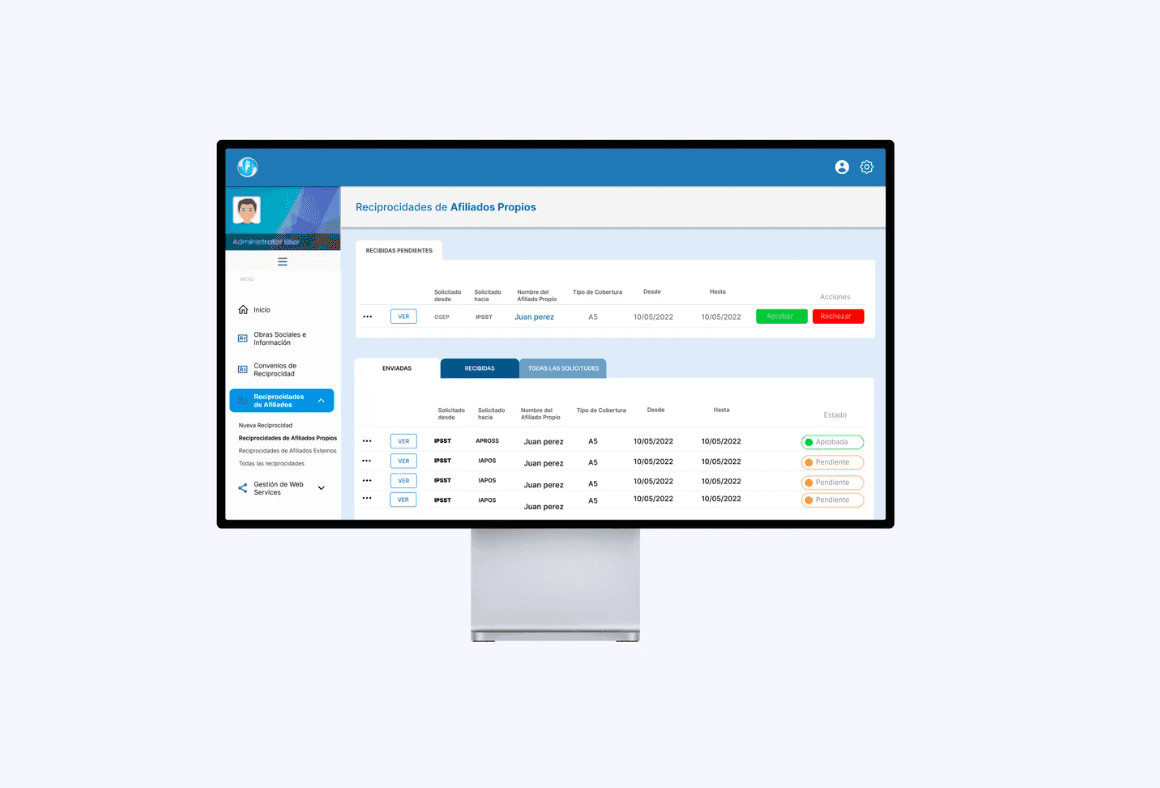
Portal for managing temporary affiliate transfers between healthcare providers based on formal reciprocity agreements.The product was part of a broader system, with a pre-defined technical architecture (web app with side panel) established by engineering prior to design involvement.
Client
Tekhne SA - COSSPRA
Timeline
4 weeks
Role
Product Designer
Year
2023
Problem
Managing affiliate transfers between institutions was operationally complex and highly dependent on manual review. The initial structure lacked clarity around:
request ownership (origin vs destination provider)
role responsibilities
inconsistent terminology across organizations
This resulted in confusion, inefficiencies, and increased cognitive load for staff handling requests.
Key Challenges
Approach and Key Decisions
Research & Analysis
Focused on deep documentation review and technical requirements due to a lack of direct access to end-users. I relied on a pre-established framework of critical functions and held multiple sessions with the Project Lead to ensure the design respected all regulatory and operational constraints.
UX & Information Architecture
Developed detailed user scenarios to empathize with different user types and their specific needs. I iterated through various information architecture models to streamline the navigation, focusing on creating a faster, clearer path to access core features and reduce cognitive load.
UI & Visual Design
Adapted to the pre-existing layout and technical constraints, focusing on simplifying the interface to make it as functional and accessible as possible.
Product Collaboration
Iterated with the Project Lead to standardize terminology for a national scale. I also collaborated closely with developers to define the display of complex tables and high data volumes, ensuring technical feasibility without compromising clarity.
Simplifying data management
Early analysis showed providers were static entities.
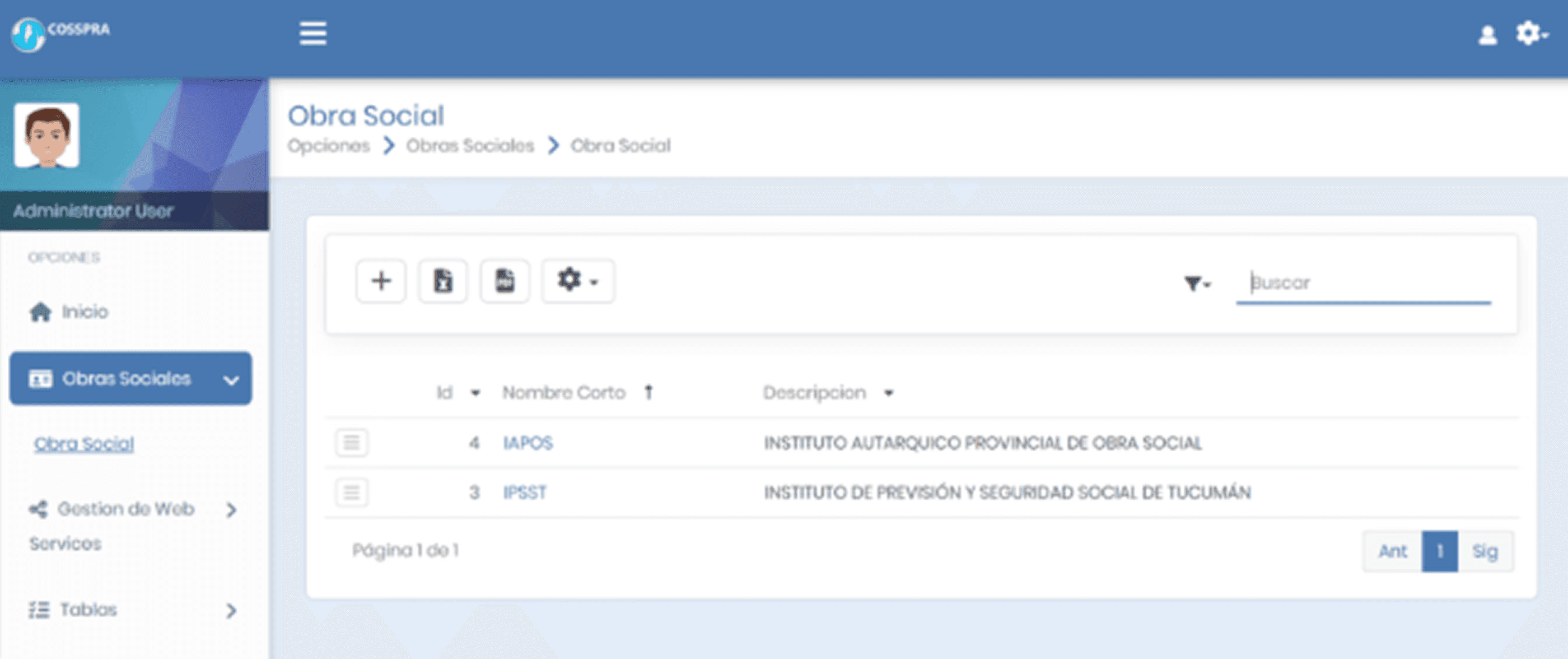
We proposed syncing providers automatically from the organization’s database, removing manual entry and reducing operational overhead.
Reframing language to remove ambiguity
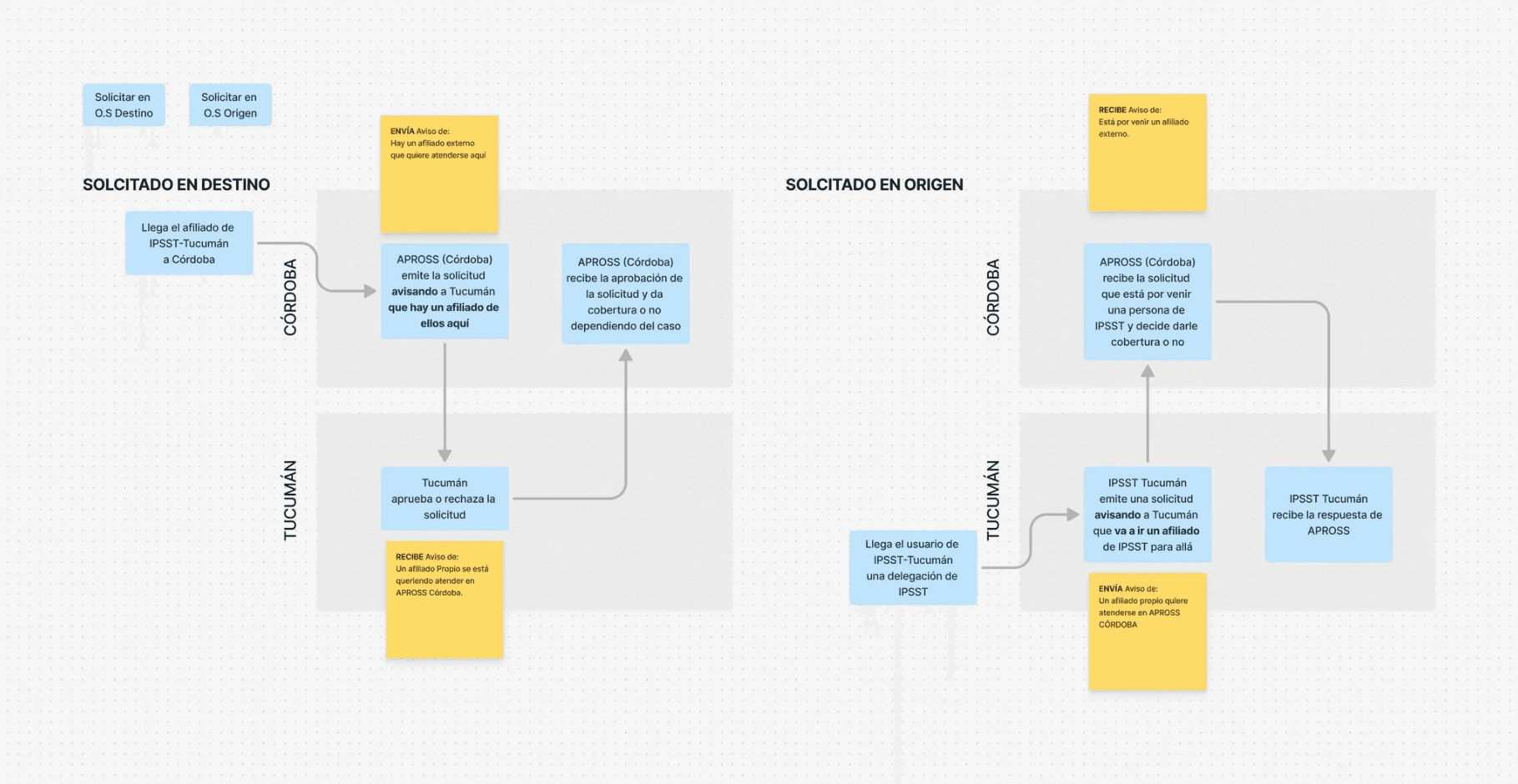
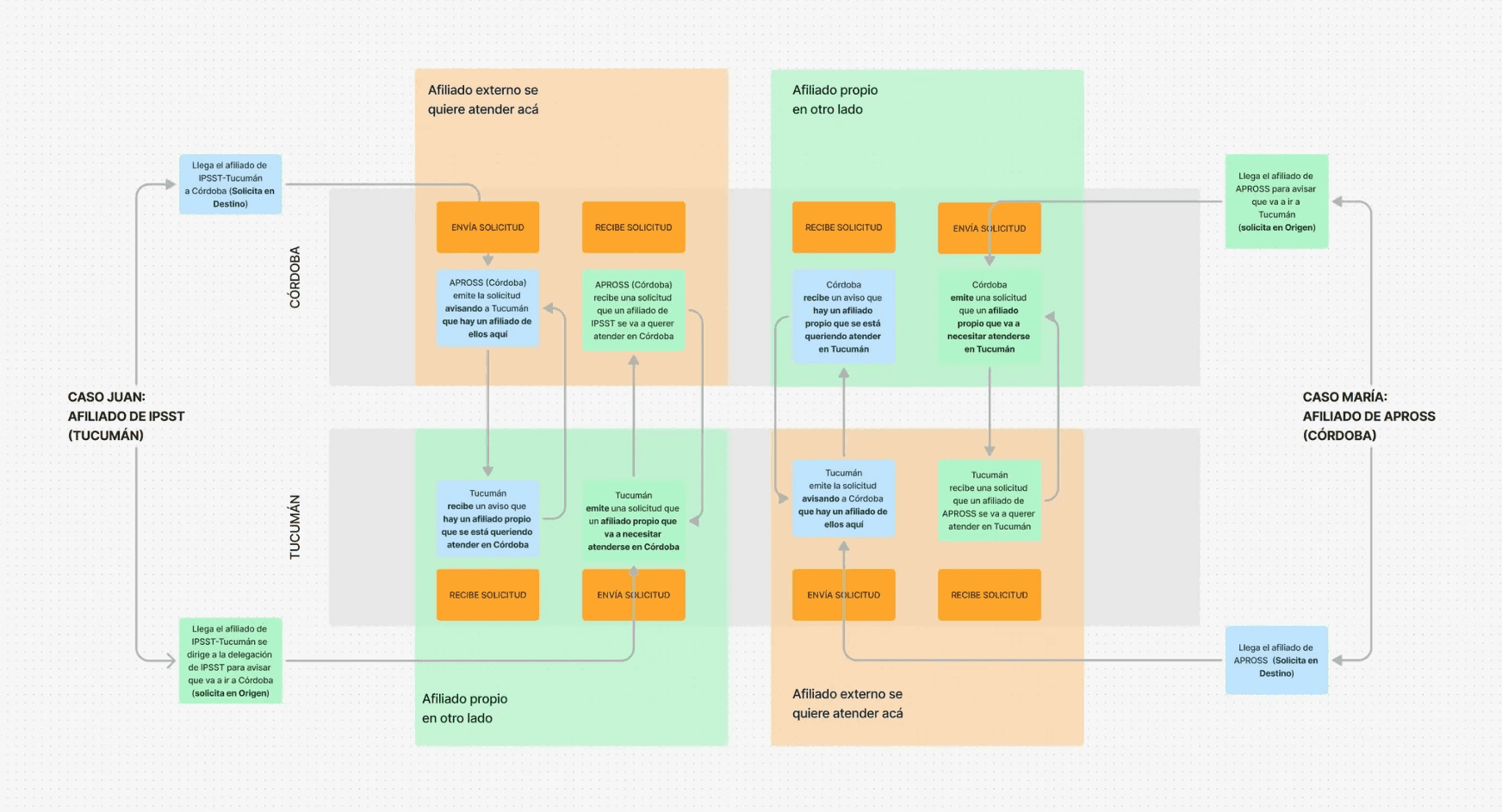
Through flow mapping and IA diagrams, we identified terminology as the core usability issue.
After several iterations, we introduced a clear distinction:
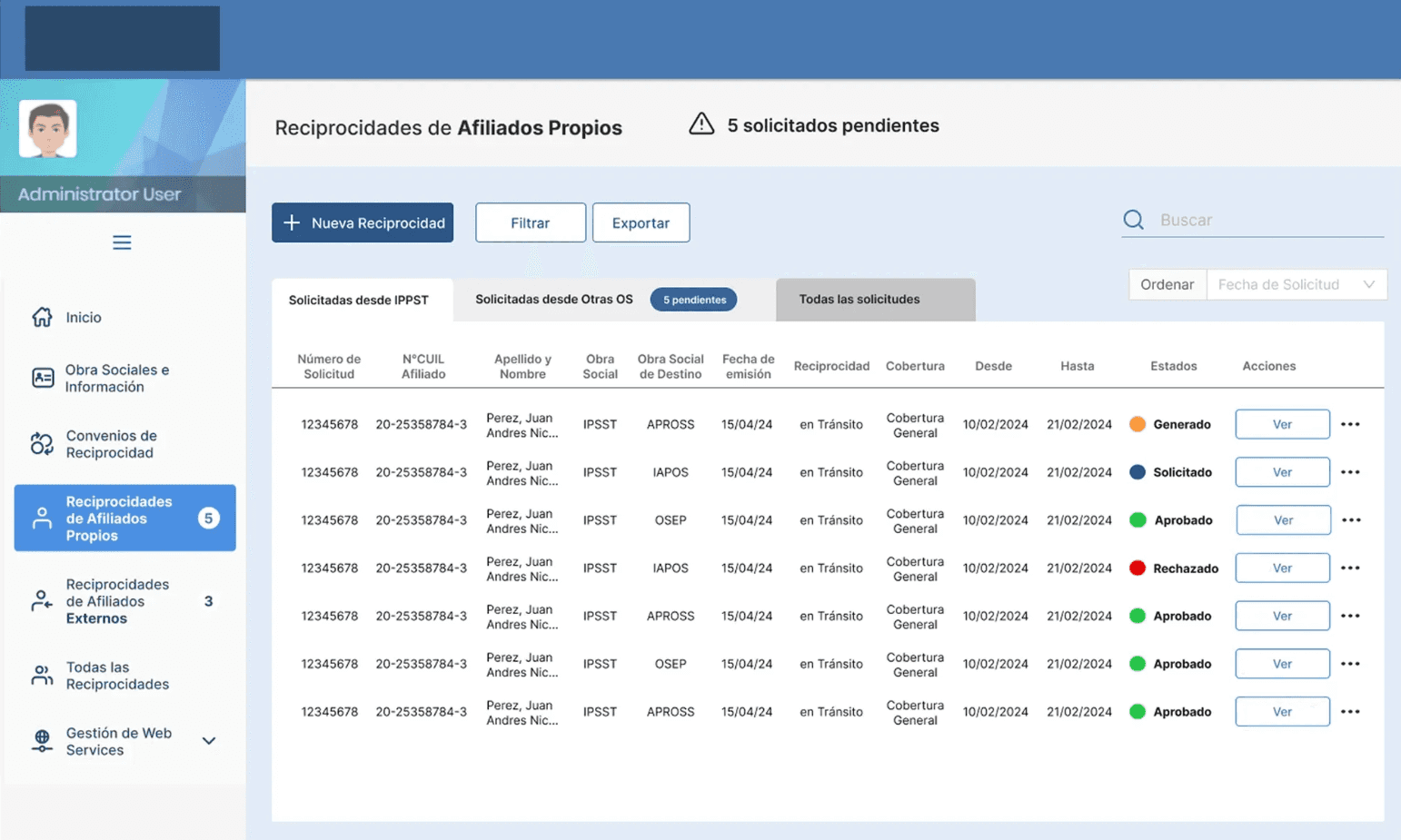
Internal affiliates: members of the organization’s own network
External affiliates: members from other providers.
This semantic shift clarified responsibilities and aligned mental models across institutions.
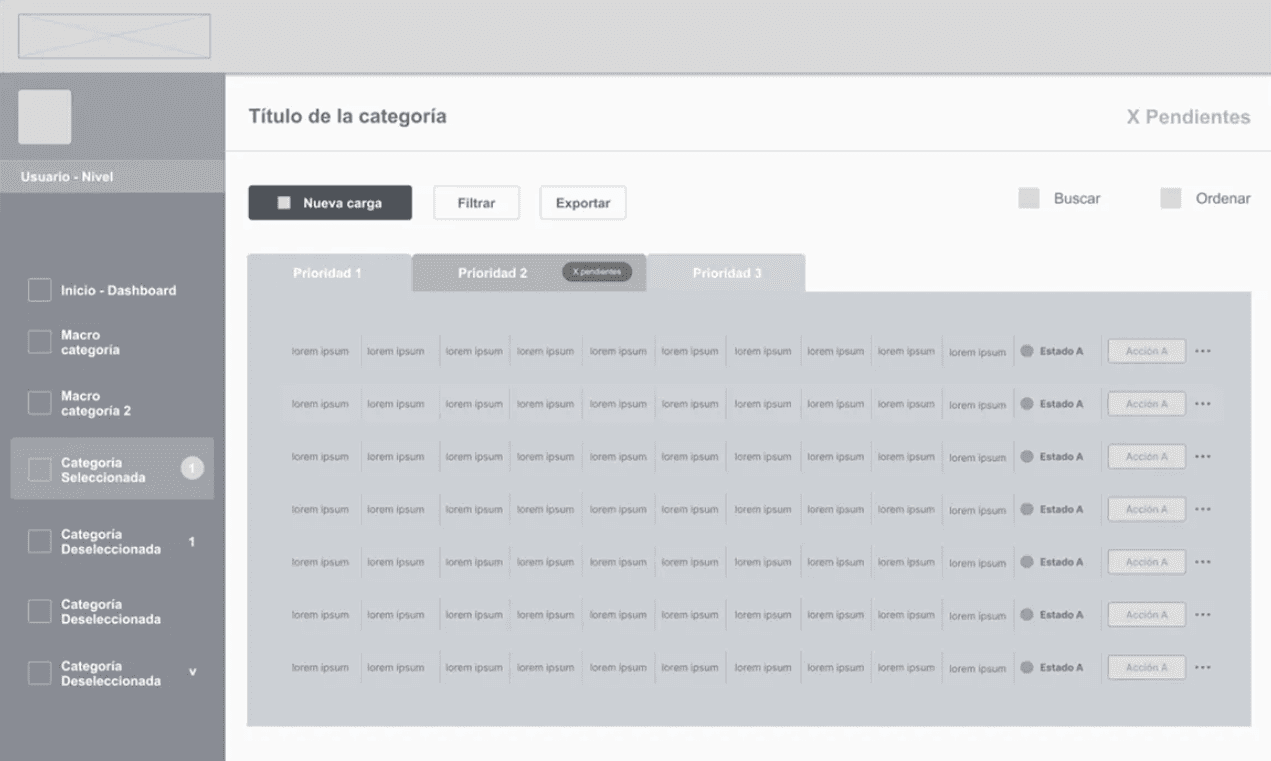
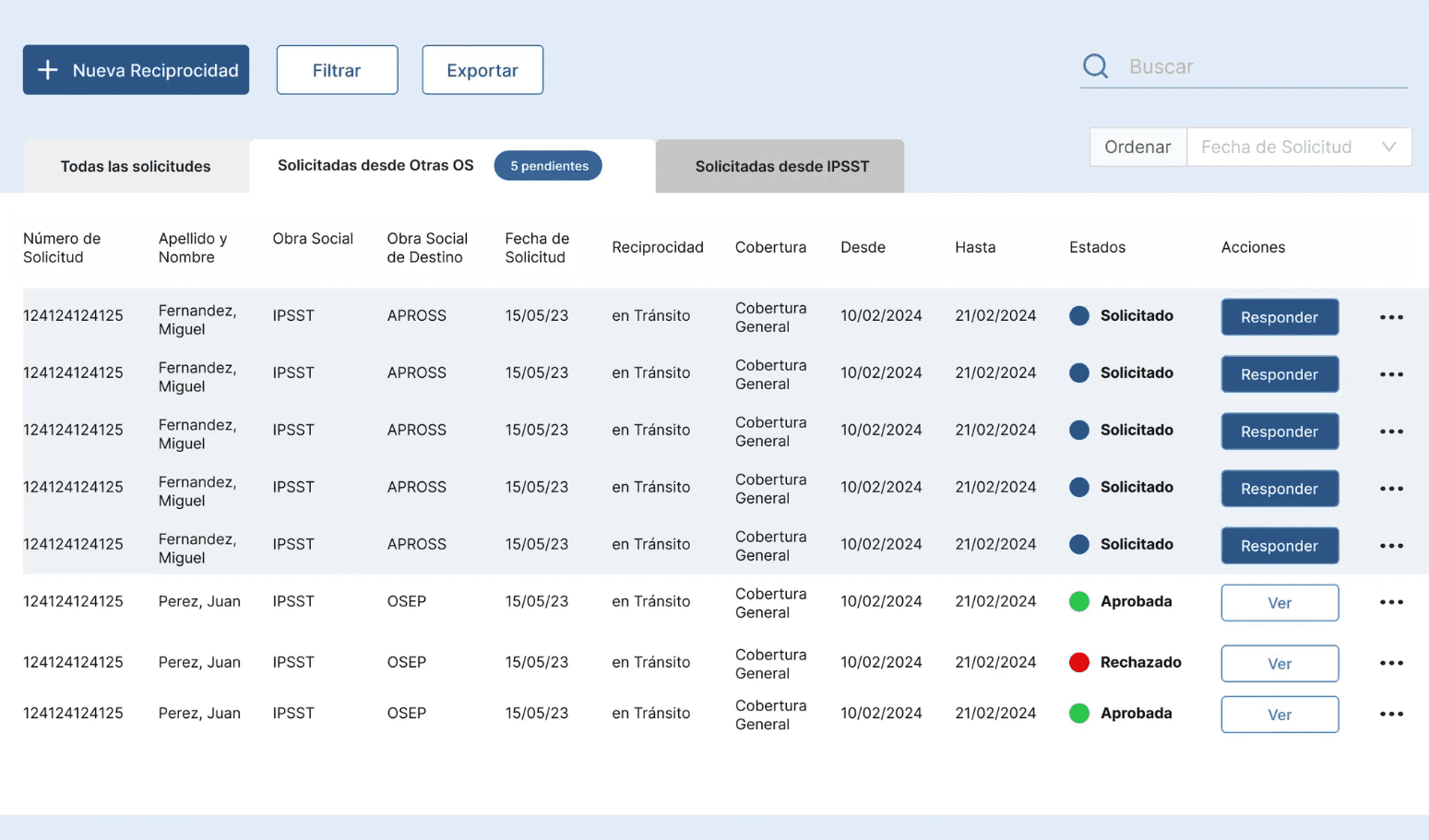
Structuring the interface around actions
We grouped all requests requiring action and used:
tab-based navigation to distinguish request types
a secondary interaction layer for approval/rejection to keep the main interface focused and clean
Learnings
Information architecture diagrams were critical to untangle complex, multi-actor systems
Language is a product decision: poor semantics can undermine an entire workflow
Opportunities for Improvement
Further refinement of request prioritization and visual hierarchy
Better surface key information in request management views
